🔑 Key Takeaways
- Apple Watch Ultra 2 (~RM 3,599) is best for all-rounders who want a smartwatch + health tracker in one
- Oura Ring Gen 4 (~RM 1,400 + RM 30/month subscription) excels at sleep tracking and recovery — the most comfortable 24/7 wearable
- Whoop 4.0 (~RM 130/month subscription) is best for serious athletes focused on strain, recovery, and HRV optimization
- All three track HRV, sleep stages, blood oxygen, and skin temperature — accuracy varies by metric
- Many biohackers wear two devices (typically Oura + Apple Watch) for complementary data
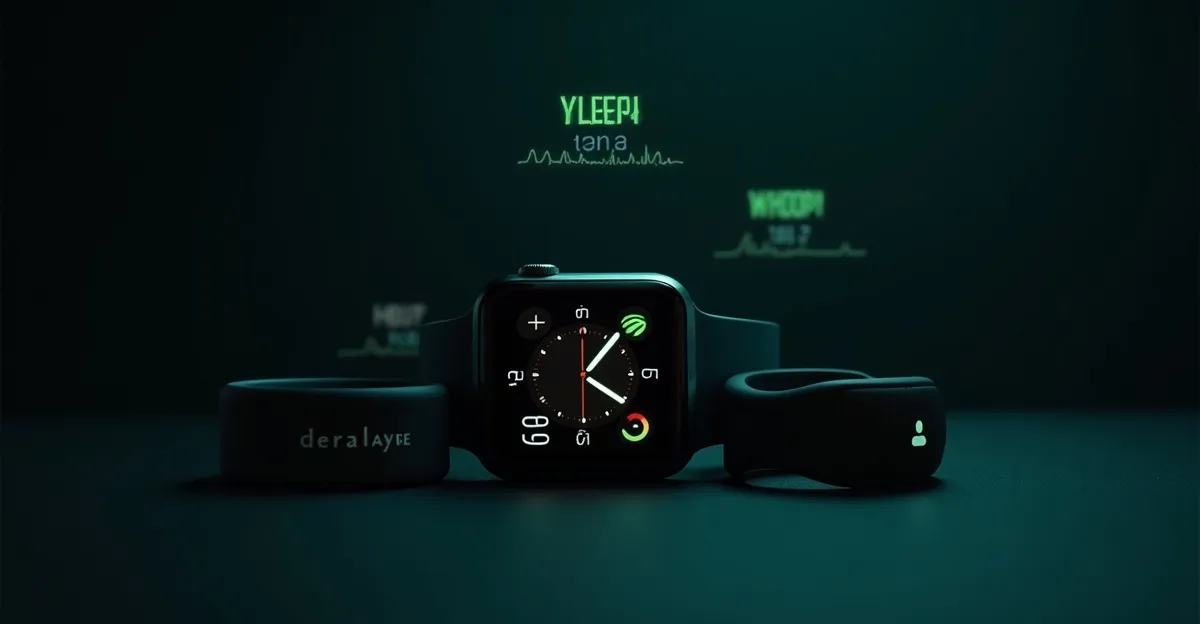
Health wearables have evolved from simple step counters to legitimate medical-grade monitoring devices. In 2026, three devices dominate the health optimisation space: the Apple Watch Ultra 2, the Oura Ring Gen 4, and the Whoop 4.0. Each has a different philosophy, different strengths, and a different price model.
If you're getting into biohacking, a wearable is arguably your most important tool — you can't optimise what you can't measure. But which one should you buy? This guide compares all three for the Malaysian market, with local pricing and practical recommendations.
Quick Comparison Overview
Pricing (Malaysia)
- Apple Watch Ultra 2: ~RM 3,599 (one-time purchase, no subscription needed for core health features)
- Oura Ring Gen 4: ~RM 1,400 for the ring + RM 30/month subscription (required for full features after trial)
- Whoop 4.0: No upfront cost for the band — subscription only at ~RM 130/month (12-month plan) or ~RM 100/month (24-month plan)
2-Year Total Cost of Ownership
- Apple Watch Ultra 2: RM 3,599
- Oura Ring Gen 4: RM 1,400 + (RM 30 × 24) = RM 2,120
- Whoop 4.0: RM 130 × 24 = RM 3,120 (or RM 2,400 on 24-month plan)
Apple Watch Ultra 2: The All-Rounder
Overview
The Apple Watch Ultra 2 is the premium entry in Apple's wearable lineup, designed for athletes and outdoor enthusiasts but equally capable as a comprehensive health monitoring device. It runs watchOS with the full Apple ecosystem integration — notifications, calls, Apple Pay, Siri, and a massive app library.
Health Metrics Tracked
- Heart rate — continuous, with irregular rhythm notification (AFib detection)
- Blood oxygen (SpO2) — on-demand and background measurements
- ECG — single-lead electrocardiogram (FDA-cleared)
- Skin temperature — wrist temperature sensing during sleep
- Sleep stages — REM, deep, core sleep tracking
- HRV — heart rate variability (nightly average)
- Respiratory rate — during sleep
- VO2 max estimate — cardio fitness level
- Crash detection — accelerometer-based emergency feature
- Workout metrics — GPS, pace, power (for running), elevation
Pros and Cons
Pros:
- Most versatile device — smartwatch + health tracker + fitness tracker in one
- ECG capability is unique among these three options
- Massive app ecosystem (AutoSleep, Athlytic, Heart Analyzer)
- Built-in GPS with dual-frequency for accurate outdoor tracking
- Apple Health ecosystem integrates with nearly every health app
- Bright, always-on display readable in Malaysian sunlight
- Available at Apple Malaysia stores and authorised resellers
Cons:
- Battery life: 36 hours typical (you need to charge daily, which means missing some sleep data if you forget)
- Bulky — the 49mm case is large, especially on smaller wrists
- iPhone required — Android users cannot use Apple Watch
- Sleep tracking accuracy lags behind Oura and Whoop for sleep staging
- HRV measurement methodology is less detailed than Whoop's
- Wrist-based optical HR less accurate than finger-based (Oura) during sleep
Best For
People who want one device that does everything — health tracking, fitness tracking, notifications, calls, and smartwatch features. iPhone users who don't want to wear multiple devices.
Oura Ring Gen 4: The Sleep and Recovery Specialist
Overview
The Oura Ring Gen 4 is a titanium smart ring that looks like a regular piece of jewellery but packs sophisticated health sensors inside. Its form factor is its killer feature — you wear it 24/7, including during sleep, without any discomfort. The ring doesn't have a display; all data is viewed through the Oura app.
Health Metrics Tracked
- Sleep staging — REM, deep, light sleep with industry-leading accuracy
- HRV — measured from the finger (arterial signal, more accurate than wrist)
- Resting heart rate — highly accurate finger-based optical sensor
- Body temperature — nightly deviation tracking (excellent for illness detection)
- Blood oxygen (SpO2) — overnight monitoring
- Respiratory rate — during sleep
- Readiness Score — proprietary algorithm combining HRV, sleep, temperature, and activity
- Activity tracking — steps, calories, active time (basic compared to watches)
- Stress monitoring — daytime stress via HRV
- Cycle tracking — for women, using temperature patterns
Pros and Cons
Pros:
- Best sleep tracking accuracy among consumer wearables — validated in multiple studies against polysomnography
- Finger-based sensors provide cleaner HRV and heart rate data than wrist-based devices
- Incredibly comfortable — most people forget they're wearing it
- 7-day battery life — charge once a week
- Discreet — looks like a normal ring, no screen constantly distracting you
- Temperature tracking is the most sensitive of all three (can detect illness 1–2 days before symptoms)
- Works with both iPhone and Android
Cons:
- Requires subscription (RM 30/month) for full features — free tier is very limited
- No GPS — useless for outdoor workout tracking
- No real-time workout metrics during exercise
- Sizing can be tricky — you need to order a sizing kit first
- Not officially sold in Malaysia — must import via Shopee, Amazon, or the Oura website (ships internationally)
- Limited workout tracking — it detects activity but doesn't guide workouts
- Ring can scratch — the titanium finish is durable but not indestructible
Best For
People whose primary focus is sleep optimisation, recovery monitoring, and HRV tracking. Biohackers who want the most accurate passive health data without wearing a screen on their wrist. Often paired with an Apple Watch or Garmin for workout tracking.
Whoop 4.0: The Athlete's Recovery Coach
Overview
Whoop 4.0 is a screenless fitness band focused entirely on three metrics: Strain (how hard you worked), Recovery (how ready you are), and Sleep (how well you recovered). It has no display — no time, no notifications, no distractions. All data lives in the Whoop app.
Health Metrics Tracked
- Strain Score — proprietary metric based on heart rate during all daily activities (0–21 scale)
- Recovery Score — daily readiness score based on HRV, resting HR, sleep, and respiratory rate
- Sleep performance — time in bed, sleep stages, sleep efficiency, sleep debt tracking
- HRV — measured at the wrist, with 5-minute morning reading for consistency
- Resting heart rate — continuous
- Blood oxygen — overnight
- Respiratory rate
- Skin temperature
- Stress monitoring — real-time via HRV
- Journal feature — log behaviours (caffeine, alcohol, supplements, stretching) and correlate with recovery
Pros and Cons
Pros:
- Best strain/recovery coaching — Whoop tells you exactly how much training your body can handle today
- Journal feature is unique — correlate lifestyle choices with performance data over time
- Screenless design eliminates distractions — no notifications pulling your attention
- Sleep coaching — tells you exactly how much sleep you need tonight to be recovered
- 5-day battery life with on-wrist charging (battery pack slides over the band)
- Versatile wearing options — wrist band, bicep band, clothing integration (boxers, sports bras)
- Strong community and coaching features in the app
- Works with iPhone and Android
Cons:
- Subscription-only model — RM 130/month is expensive over time, and you own nothing if you cancel
- No GPS — needs phone for location-based workout tracking
- No display — can't tell the time, see notifications, or use it as a smartwatch
- Wrist-based HR is less accurate than finger-based (Oura) during sleep
- Not officially sold in Malaysia — import via Whoop website or resellers on Shopee
- The subscription model means 2-year cost exceeds even Apple Watch Ultra 2
- Limited utility outside fitness/recovery — no smartwatch features at all
Best For
Serious athletes and fitness enthusiasts who want a dedicated recovery coach. People focused on zone 2 cardio optimisation and training load management. Those who find smartwatch notifications distracting.
Accuracy Comparison: What the Research Says
Sleep Tracking Accuracy
Independent validation studies (compared to polysomnography, the gold standard):
- Oura Ring: ~79–85% agreement with PSG for sleep staging — best among consumer devices
- Whoop 4.0: ~75–80% agreement — good but slightly below Oura
- Apple Watch: ~70–76% agreement — decent but the weakest of the three for sleep
HRV Accuracy
- Oura Ring: Finger-based photoplethysmography provides cleaner arterial signal. High correlation (r=0.95+) with chest strap ECG-derived HRV.
- Whoop: Wrist-based, but the 5-minute standardised morning reading improves consistency. Good correlation with ECG (r=0.90+).
- Apple Watch: HRV measured opportunistically during sleep. Less standardised methodology means more variability.
Heart Rate Accuracy During Exercise
- Apple Watch: Best of the three for real-time exercise HR — benefits from larger sensor array and tighter wrist fit during workouts.
- Whoop: Good during steady-state exercise; can lag during high-intensity intervals.
- Oura: Not designed for real-time exercise tracking — delays in updating HR during activity.
Which Should You Choose?
Choose Apple Watch Ultra 2 If:
- You want one device for everything (health + smart features)
- You're an iPhone user who values ecosystem integration
- You want ECG capability for heart rhythm monitoring
- You do outdoor activities requiring GPS (running, cycling, hiking)
- You prefer a one-time purchase over ongoing subscriptions
- Budget: RM 3,599 upfront
Choose Oura Ring Gen 4 If:
- Sleep optimisation is your primary goal
- You want the most accurate passive health data (HRV, temperature, resting HR)
- You dislike wearing a watch to bed
- You want maximum comfort and discretion
- You're willing to pair it with another device for workouts
- Budget: ~RM 1,400 + RM 30/month
Choose Whoop 4.0 If:
- You're a serious athlete focused on training optimisation
- You want strain and recovery coaching to guide your training load
- You find smartwatch notifications distracting during workouts
- You value the journal feature for lifestyle-performance correlation
- You don't mind the ongoing subscription cost
- Budget: ~RM 130/month ongoing
The Power User Setup (Two Devices)
Many serious biohackers wear two devices. The most popular combinations:
- Oura Ring + Apple Watch: Best of both worlds — Oura for sleep/recovery accuracy, Apple Watch for workouts/smartwatch features. Total: ~RM 5,000 + RM 30/month.
- Oura Ring + Garmin Forerunner: For runners who prefer Garmin's training features over Apple's. More affordable watch option.
- Whoop + Apple Watch: Less common since there's significant overlap, but some athletes prefer Whoop's strain coaching alongside Apple Watch's smart features.
Where to Buy in Malaysia
- Apple Watch Ultra 2: Apple Malaysia (apple.com/my), authorised resellers (Machines, Switch), Lazada, Shopee. Full local warranty. ~RM 3,599.
- Oura Ring Gen 4: ouraring.com (ships to Malaysia), Shopee resellers. No official MY store. Sizing kit ships free. ~RM 1,400.
- Whoop 4.0: whoop.com (ships internationally), some Shopee resellers. Subscription starts online. ~RM 130/month.
Frequently Asked Questions
Is the Oura Ring waterproof? Can I wear it in Malaysian rain or swimming?
Yes. The Oura Ring Gen 4 is water-resistant to 100 metres. You can shower, swim, and get caught in Malaysian downpours without any concern. The same applies to Apple Watch Ultra 2 (100m) and Whoop 4.0 (IP68).
Do I need a subscription for any of these?
Apple Watch: No subscription needed for any health features. Oura Ring: A free tier exists but is very limited — the RM 30/month subscription unlocks all insights, scores, and detailed data. Whoop: 100% subscription — the device is free but unusable without a plan (~RM 130/month).
Can these wearables detect health problems?
Apple Watch can detect atrial fibrillation (AFib) and has FDA-cleared ECG. All three devices can detect abnormal resting heart rate trends, low blood oxygen, and unusual temperature changes that may indicate illness. However, none are medical devices — they should complement, not replace, regular health check-ups.
Which has the best battery life?
Oura Ring: ~7 days. Whoop 4.0: ~5 days (charges on-wrist without removing). Apple Watch Ultra 2: ~36 hours (daily charging required). For uninterrupted 24/7 monitoring including sleep, Oura's battery life is a major advantage.
Can I use these wearables with the Peak Protocol biohacking approach?
Absolutely. All three integrate with Apple Health or Google Health Connect, which means your data flows into most biohacking apps and dashboards. For sleep optimisation, Oura provides the most actionable data. For zone 2 cardio training, Apple Watch or Whoop with real-time heart rate zones are more useful.
The Bottom Line
There's no single "best" health wearable — the right choice depends on your priorities, budget, and what you're trying to optimise. For most Malaysians starting their biohacking journey, the Oura Ring Gen 4 offers the best value for health data quality, especially if sleep and recovery are your focus areas. If you want an all-in-one device and you're in the Apple ecosystem, the Apple Watch Ultra 2 is hard to beat despite the premium price. And if you're a dedicated athlete who lives by training data, Whoop 4.0 provides the most sophisticated strain and recovery coaching available.
Whatever you choose, the most important step is simply starting to track. You can't optimise what you can't measure — and in 2026, measuring has never been easier or more accessible in Malaysia.
⚕️ Medical Disclaimer
This article is for informational purposes only and does not constitute medical advice. Consumer health wearables are not medical devices and should not be used to diagnose, treat, or monitor medical conditions without professional guidance. While features like ECG and blood oxygen monitoring can provide useful data, always consult a qualified healthcare professional for medical concerns. Product specifications, pricing, and availability may change. Peak Protocol has no commercial relationship with any wearable manufacturer mentioned in this article.
Medical Disclaimer: This content is for informational purposes only and does not constitute medical advice. Always consult a qualified healthcare provider before starting any treatment, supplement regimen, or making changes to your health routine. Individual results may vary, and what works for others may not work for you.