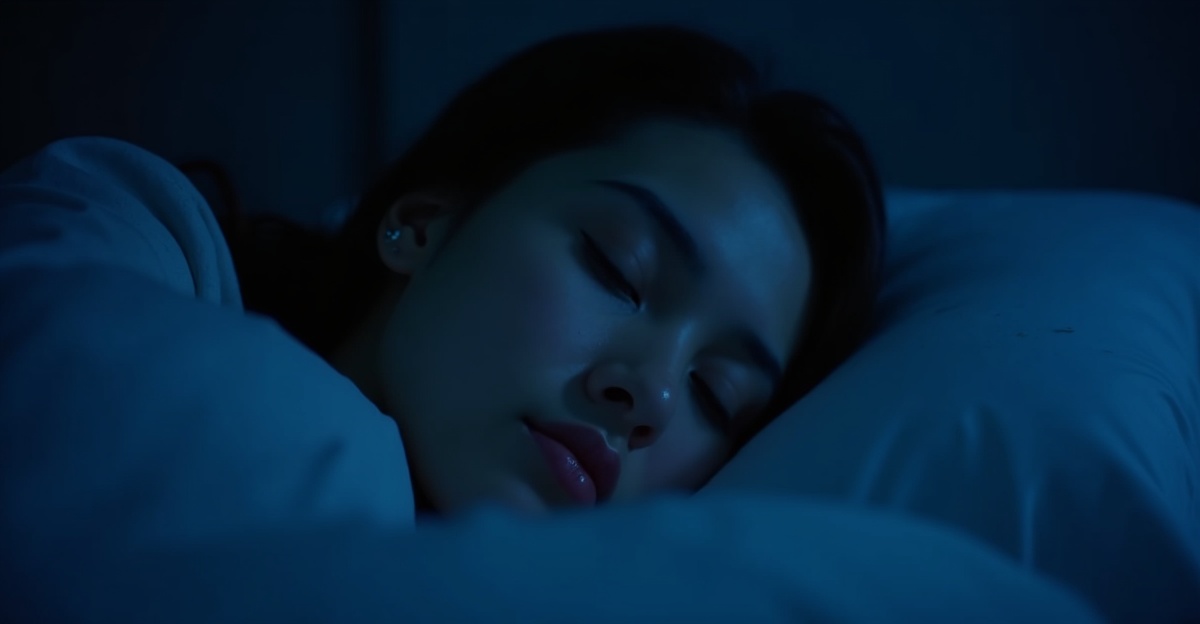
Mouth Taping for Sleep: Science, Safety & How to Start
Mouth taping — the practice of gently taping your mouth shut during sleep to promote nasal breathing — has exploded from a niche biohacker technique to a mainstream sleep optimisation trend. Popularised by James Nestor's book Breath and endorsed by sleep scientists and health influencers alike, mouth taping is now one of the most talked-about (and debated) sleep hacks of 2026.
But is it safe? Does it actually improve sleep quality? And should you try it? Let's dig into the science, separate fact from hype, and give you a practical guide to getting started — safely.
Why Nasal Breathing Matters
Before we talk about tape, we need to understand why breathing through your nose during sleep is so fundamentally different from breathing through your mouth.
The Nose: Your Body's Air Filtration System
Your nose is an engineering marvel that does far more than just let air in:
- Filtration: Nasal hairs and mucous membranes trap 98% of airborne particles, allergens, bacteria, and viruses before they reach your lungs.
- Humidification: Air is warmed to body temperature and humidified to 95-100% relative humidity, protecting delicate lung tissue. This is especially relevant in air-conditioned environments (which most Malaysian bedrooms are).
- Nitric oxide production: The paranasal sinuses produce nitric oxide (NO), a powerful vasodilator and bronchodilator. Nasal breathing delivers NO directly to the lungs, improving oxygen absorption by 10-15% compared to mouth breathing.
- Resistance and pressure: Nasal breathing creates 50% more airflow resistance than mouth breathing. This isn't a bug — it's a feature. The added resistance maintains positive pressure in the airways, helping keep them open and reducing collapse (a key factor in sleep apnoea).
- CO2 regulation: Nasal breathing promotes optimal carbon dioxide levels, which paradoxically improves oxygen delivery to tissues via the Bohr effect (higher CO2 shifts the oxygen-haemoglobin dissociation curve, releasing more O2 to cells).
The Problem with Mouth Breathing During Sleep
Mouth breathing during sleep is remarkably common — estimated to affect 30-50% of adults — and comes with a cascade of negative effects:
- Dry mouth: Saliva production drops, reducing its protective antimicrobial effects. This directly increases cavity risk, gum disease, and bad breath.
- Snoring: The relaxed tissues of the mouth and throat vibrate more freely when air passes through the mouth, causing or worsening snoring.
- Sleep apnoea risk: Mouth breathing reduces airway stability and positive pressure, increasing the likelihood of airway collapse (obstructive sleep apnoea).
- Reduced sleep quality: Mouth breathers tend to have more fragmented sleep, reduced deep sleep, and lower blood oxygen levels during the night.
- Dehydration: Water loss through mouth breathing is 42% greater than through nasal breathing, contributing to nighttime thirst and morning dehydration.
- Facial development: In children, chronic mouth breathing can actually alter facial growth patterns (long face syndrome). In adults, it contributes to jaw tension and TMJ issues.
The Science Behind Mouth Taping
What Research Says
Mouth taping is still a relatively young area of formal research, but the studies that exist are encouraging:
- A 2022 study published in Healthcare found that mouth taping reduced snoring severity by 50-75% in mild to moderate snorers.
- A 2023 pilot study in the Journal of Clinical Sleep Medicine showed that mouth taping improved the apnoea-hypopnoea index (AHI) in patients with mild obstructive sleep apnoea, reducing events from an average of 12.0 to 7.8 per hour.
- Research on nasal breathing during sleep consistently shows improved oxygen saturation, deeper sleep stages, and reduced sympathetic nervous system activation (stress response) compared to mouth breathing.
- A 2024 study demonstrated that 30 days of consistent mouth taping improved subjective sleep quality scores by 25% and reduced morning dry mouth symptoms by 80%.
Limitations
- Most studies are small and short-term
- No large randomised controlled trials specifically on mouth taping (as opposed to nasal breathing generally)
- Self-reported outcomes (subjective sleep quality) may be influenced by placebo effect
- Long-term effects haven't been studied
The evidence is promising but not definitive. Most sleep scientists agree that nasal breathing during sleep is superior to mouth breathing — the debate is more about whether taping is the best way to achieve it.
Benefits People Report
Beyond the clinical research, the experiential reports from thousands of mouth tapers paint a consistent picture:
- Reduced or eliminated snoring: This is the most commonly reported benefit, often confirmed by bed partners and sleep tracking apps.
- Deeper, more restful sleep: Many users report waking less frequently, experiencing more vivid dreams (a sign of better REM sleep), and feeling more refreshed upon waking.
- No more dry mouth: Morning dry mouth disappears almost immediately, along with the associated bad breath.
- Improved dental health: Dentists report that patients who switch to nasal breathing show reduced cavity rates and improved gum health over time.
- Better CPAP compliance: Some sleep apnoea patients using CPAP machines find that mouth taping prevents air leaks through the mouth, improving mask seal and treatment effectiveness.
- Reduced anxiety and calmer mornings: Nasal breathing promotes parasympathetic (rest and digest) nervous system activity. Users often report waking calmer and with lower resting heart rates.
- Better HRV scores: Biohackers tracking heart rate variability (HRV) with devices like Oura Ring or WHOOP consistently report improved HRV on mouth-taped nights.
Safety Considerations
Let's address the elephant in the room: is it safe to tape your mouth shut while you sleep?
When It's Generally Safe
Mouth taping is considered safe for most healthy adults who:
- Can breathe comfortably through their nose while awake
- Don't have untreated sleep apnoea (moderate to severe)
- Don't have nasal obstructions (deviated septum, polyps, chronic congestion)
- Don't have a history of vomiting during sleep
- Are not under the influence of alcohol or sedating medications that suppress protective reflexes
When to Avoid Mouth Taping
- Nasal obstruction: If you can't breathe comfortably through your nose while awake (with mouth closed), do NOT tape your mouth during sleep. Address the nasal issue first.
- Moderate to severe sleep apnoea: Untreated sleep apnoea requires proper medical management (CPAP, oral appliance, or surgery). Mouth taping is not a substitute.
- Vomiting risk: If you have GERD, have been drinking alcohol, or are on medications that may cause nausea, skip the tape.
- Children: Do not tape children's mouths during sleep without guidance from a paediatric sleep specialist.
- Severe anxiety or claustrophobia: If the idea of having your mouth taped causes panic, it will worsen your sleep, not improve it.
The Safety Net
Here's an important reassurance: mouth tape used properly (light adhesive, porous material) can be easily dislodged by opening your mouth firmly or pushing with your tongue. It's not duct tape — it's a gentle reminder to keep your mouth closed, not a physical restraint. Your body's survival reflexes will override a small strip of tape if you truly need to breathe through your mouth.
How to Start Mouth Taping
Step 1: Test Your Nasal Breathing
Before taping at night, spend a day paying attention to your nasal breathing:
- Can you breathe through your nose with your mouth closed for 5 minutes without discomfort?
- Can you walk briskly while breathing only through your nose?
- Do you have any nasal congestion, allergies, or structural issues?
If you can't comfortably nasal breathe while awake and at rest, address this first. Options include nasal saline rinses, antihistamines, nasal corticosteroid sprays (available at Malaysian pharmacies for RM 25-60), or consulting an ENT specialist for structural issues.
Step 2: Choose Your Tape
Not all tape is suitable. Here are your options:
- Purpose-made mouth tape: Products like SomniFix, Dryft Sleep, or Myotape are designed specifically for sleep. They use skin-safe, hypoallergenic adhesive and often have a small vent or breathing hole for safety. Available online in Malaysia for RM 30-80 per pack (30-90 strips).
- Micropore surgical tape (3M): The budget-friendly gold standard. Available at any Malaysian pharmacy (Guardian, Watsons, or independent) for RM 5-12 per roll. Use a small strip (3-5cm) placed vertically over the centre of your lips. Gentle adhesive, easily removed.
- Kinesiology tape (KT tape): Some people prefer this for its stretch and gentle adhesive. Cut a small strip. Available at pharmacies and sports stores for RM 15-30 per roll.
Avoid: Duct tape, electrical tape, packing tape, or any strong adhesive tape. These can damage skin and are genuinely dangerous.
Step 3: Practice While Awake
Before your first taped night, practice during the day:
- Apply tape while watching TV or reading for 30-60 minutes
- Notice how it feels — you should be able to breathe comfortably through your nose
- Practice removing it with your tongue or a firm mouth opening
- Do this for 2-3 days before attempting nighttime use
Step 4: Your First Night
- Apply the tape just before turning off lights
- Use a small strip — less is more. A single vertical strip over the centre of your lips is sufficient
- Make sure your nose is clear (blow your nose, use saline spray if needed)
- If using 3M Micropore tape, fold over one end to create a pull tab for easy removal
- Keep a glass of water on your nightstand
- If you wake up and feel anxious, remove the tape. Try again another night
Step 5: Assess and Adjust
After your first week of mouth taping, assess:
- Is the tape still on when you wake up? (If it's consistently falling off, you may have nasal congestion causing mouth breathing pressure.)
- Do you feel more rested?
- Has snoring reduced? (Ask your partner or check a snoring app like SnoreLab.)
- Any skin irritation from the adhesive? Switch tape brands if so.
Optimising Your Mouth Taping Practice
Complement with Nasal Hygiene
Especially important in Malaysia's climate, where allergies and air pollution can affect nasal breathing:
- Nasal saline irrigation: Use a neti pot or saline spray before bed. Clears allergens, dust, and mucus. Saline sprays are available at Malaysian pharmacies for RM 12-30.
- Nasal strips: Breathe Right strips or generic equivalents (RM 15-35 at Guardian/Watsons) physically open nasal passages. Great to combine with mouth tape.
- Air purifier: If you have allergies, a bedroom air purifier (RM 200-800) significantly reduces nighttime nasal congestion.
- Elevate your head: A slight elevation (10-15 degrees) reduces nasal congestion from gravity-related fluid pooling.
Track Your Results
Biohacking without measurement is just guessing. Track your mouth taping experiment:
- Sleep tracker: Oura Ring, WHOOP, Apple Watch, or Fitbit can show changes in sleep stages, HRV, and blood oxygen.
- Snoring app: SnoreLab (free/premium) records and scores snoring throughout the night. Compare taped vs. non-taped nights.
- Subjective diary: Rate your sleep quality, morning energy, and mood daily for 2-4 weeks.
- Morning resting heart rate: A lower morning heart rate often correlates with better sleep quality.
Malaysian-Specific Tips
- Air conditioning: AC is almost universal in Malaysian bedrooms and significantly dries nasal passages. Set your AC to 24-26°C and consider a small humidifier (RM 50-150) to maintain moisture.
- Haze season: During haze periods, nasal congestion worsens for many Malaysians. You may need to pause mouth taping during severe haze days or use a high-quality air purifier.
- Humidity: If sleeping without AC (fans only), Malaysia's humidity actually helps nasal breathing. Mouth taping combined with a fan can be very effective.
- Tape adhesion: In very humid conditions, tape may not stick well. Pat your lips dry before applying and consider purpose-made mouth tape with stronger adhesive.
When to See a Doctor
Mouth taping is a simple self-optimisation tool, but certain signs warrant professional evaluation:
- You can't breathe through your nose comfortably: See an ENT specialist. Deviated septum, nasal polyps, or turbinate hypertrophy may need treatment. Consultation fees: RM 80-200 at private clinics.
- Your partner reports you stop breathing during sleep: This suggests obstructive sleep apnoea. Get a sleep study (polysomnography). Available at Malaysian sleep labs for RM 800-2,000 (private) or through government hospital referral.
- You experience excessive daytime sleepiness despite good sleep duration: Could indicate sleep apnoea or other sleep disorders.
- Morning headaches: May indicate oxygen desaturation during sleep.
- Tape consistently comes off: Your body may be defaulting to mouth breathing for a reason (nasal obstruction or sleep apnoea).
Frequently Asked Questions
What if I need to cough or sneeze during the night?
Your body's reflexes are stronger than a small strip of tape. A cough or sneeze will easily blow through or dislodge mouth tape. You can also remove it instantly by opening your mouth firmly or pushing with your tongue. Purpose-made sleep tapes are designed to be easily dislodged when needed. This is not a safety concern for healthy adults.
Can mouth taping help with sleep apnoea?
Mouth taping may help with mild sleep apnoea or upper airway resistance syndrome by promoting nasal breathing, which helps maintain airway pressure. However, it is NOT a treatment for moderate to severe sleep apnoea. If you suspect sleep apnoea (loud snoring, breathing pauses, excessive daytime sleepiness), get a proper sleep study and medical treatment first. Some CPAP users find mouth taping helpful to prevent air leaks, but discuss this with your sleep physician first.
Will mouth taping work if I have allergies or a stuffy nose?
You need to be able to breathe comfortably through your nose for mouth taping to work. If you have allergies, treat them first — nasal corticosteroid sprays (e.g., Avamys, Nasonex, available at Malaysian pharmacies with prescription for RM 40-80), antihistamines, and nasal saline rinses can significantly improve nasal patency. Once your nose is clear, mouth taping becomes viable and comfortable. During acute congestion (cold, sinus infection), skip mouth taping until you've recovered.
How long does it take to see results from mouth taping?
Many people notice reduced dry mouth and less snoring from the very first night. Improved subjective sleep quality is typically noticed within 3-7 nights. Measurable improvements in sleep metrics (HRV, deep sleep duration, blood oxygen) may take 1-2 weeks to stabilise. The full benefits of consistent nasal breathing — better dental health, improved fitness, reduced anxiety — develop over weeks to months.
Is mouth taping just a trend, or is it backed by real science?
The science behind nasal breathing superiority is rock-solid — decades of research support it. Mouth taping specifically is a relatively simple mechanical intervention to achieve nasal breathing during sleep, and while formal research on the tape itself is still growing, the physiological rationale is sound. It's a low-risk, low-cost intervention with a strong theoretical basis. The trend aspect has actually brought welcome attention to the widely underappreciated importance of how we breathe during sleep.
Medical Disclaimer: This article is for informational purposes only and does not constitute medical advice. Mouth taping is not appropriate for everyone, particularly those with nasal obstructions, moderate to severe sleep apnoea, or conditions that increase vomiting risk. Consult a healthcare professional if you have any concerns about your breathing or sleep quality. Never use strong adhesive tapes that cannot be easily removed. If you experience any distress while using mouth tape, remove it immediately. Individual results may vary.
Related Articles
- Biohacking Malaysia: The Complete Beginner
- Biohacking on a Budget: RM100/Month Protocol for Malaysians
- Blue Light Blocking Malaysia: Glasses, Screens & Sleep
- Best Peptides for Recovery & Injury Healing in 2026
Medical Disclaimer: This content is for informational purposes only and does not constitute medical advice. Always consult a qualified healthcare provider before starting any treatment, supplement regimen, or making changes to your health routine. Individual results may vary, and what works for others may not work for you.