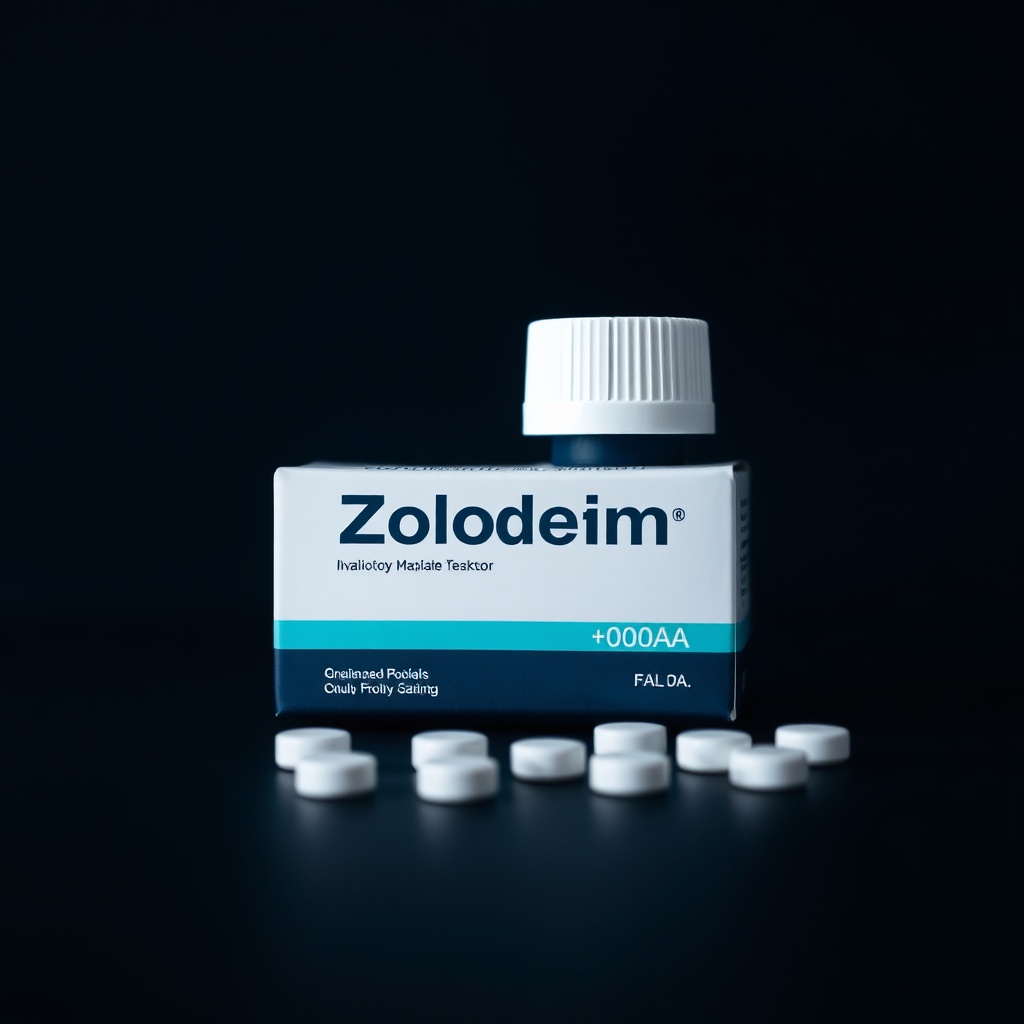
Zolpidem is the most prescribed sleep medication worldwide. It targets a specific brain receptor to help you fall asleep within 15-30 minutes, then clears your system by morning. It works, but it carries real risks — complex sleep behaviours, amnesia, and dependency with prolonged use. Best used short-term under medical supervision, not as a nightly habit.
What is Zolpidem?
Zolpidem is a non-benzodiazepine hypnotic — commonly called a "Z-drug" — that has been the world's most prescribed sleep medication since the 1990s. You may know it by the brand names Ambien (US) or Stilnox (Europe/Asia).
Unlike older sleep medications that sedate broadly, zolpidem was designed with precision. It targets a specific subtype of GABA receptor in the brain to induce sleep quickly without the heavy sedation, muscle relaxation, or anti-anxiety effects that come with benzodiazepines. The result: you fall asleep fast and wake up relatively clear-headed.
Zolpidem is classified as a short-term treatment for insomnia. Clinical guidelines generally recommend use for 2-4 weeks, though some patients use it intermittently for longer periods under medical supervision. It is not a cure for insomnia — it is a tool that buys you time while addressing the root causes of poor sleep.
How It Works
The GABA-A Alpha-1 Mechanism
Your brain has a neurotransmitter called GABA (gamma-aminobutyric acid) that acts as your nervous system's "brake pedal." When GABA binds to its receptors, neuronal activity slows down and you feel calm and sleepy.
GABA-A receptors come in several subtypes. What makes zolpidem different from benzodiazepines is its selectivity for the alpha-1 subunit. This particular subunit is primarily responsible for sedation and sleep induction. Benzodiazepines, by contrast, bind to alpha-1, alpha-2, alpha-3, and alpha-5 subunits — which is why they also cause muscle relaxation, anxiety reduction, and amnesia.
Zolpidem's selectivity is its main advantage: it induces sleep without as much of the cognitive fog, muscle weakness, or next-day hangover associated with broader-acting medications. However, at higher doses, this selectivity decreases — which is why dosage matters and more is not better.
Onset and Metabolism
Zolpidem is absorbed rapidly, reaching peak blood levels within 1.5 hours (30 minutes on an empty stomach). Its half-life is short — approximately 2.5 hours — which means it helps you fall asleep but clears your system relatively quickly. This is by design: it minimises next-morning impairment.
Who It's For
Prescription required — doctor assessment needed.
Zolpidem is clinically indicated for sleep-onset insomnia — difficulty falling asleep rather than difficulty staying asleep. It is most appropriate for:
Sleep-Onset Insomnia
You lie in bed for 30+ minutes unable to fall asleep despite being tired
Racing Mind at Bedtime
Work stress or anxiety keeps your brain firing when you need it to stop
Jet Lag and Travel
Frequent time zone changes disrupt your sleep-wake cycle
Shift Workers
You need to sleep at non-standard hours and cannot fall asleep naturally
Acute Stressful Periods
Temporary insomnia from life events, deadlines, or major transitions
What to Expect
Take and Prepare
Take zolpidem on an empty stomach (food delays absorption significantly). Get into bed immediately. Do not take it and then continue working, watching TV, or using your phone.
Sleep Onset
Drowsiness sets in quickly. Most people fall asleep within 15-30 minutes. The transition feels natural — not the heavy, drugged feeling of older sedatives. You simply get sleepy and drift off.
Sleep Maintenance
Immediate-release zolpidem primarily helps with the first half of the night. Some people may wake in the second half. Extended-release versions address this with a two-layer design.
Morning Clarity
With proper timing (7-8 hours before your alarm), most people wake feeling reasonably clear. Avoid driving or operating machinery until you are fully alert. Some morning grogginess is possible, especially with higher doses or insufficient sleep time.
Only take zolpidem when you can commit to 7-8 hours of sleep. Taking it with less time leads to impairment the next morning — there have been reports of driving accidents linked to people taking zolpidem with insufficient sleep time.
Immediate Release vs Extended Release
Your doctor will recommend the appropriate formulation based on whether your primary issue is falling asleep, staying asleep, or both.
Side Effects & Risks
Zolpidem is effective, but it is not without risks. Honest assessment of side effects is essential before starting any sleep medication.
Common Side Effects
- Drowsiness and dizziness — especially if you do not get a full 7-8 hours of sleep
- Headache — occurs in approximately 7% of users
- Nausea or GI discomfort — usually resolves within the first week
- Next-day impairment — particularly at higher doses or in women (who metabolise zolpidem more slowly)
Serious Risks
Complex sleep behaviours: This is the most concerning risk. Some people have reported sleepwalking, sleep-driving, making phone calls, cooking, or eating while not fully conscious after taking zolpidem. These events are more likely when zolpidem is combined with alcohol or other sedatives, or when taken at higher-than-recommended doses.
Anterograde amnesia: If you stay awake after taking zolpidem, you may do things you have no memory of the next morning. This is why you must go to bed immediately after taking it.
Dependency risk: Physical and psychological dependence can develop, particularly with nightly use beyond 2-4 weeks. Withdrawal symptoms include rebound insomnia (worse than original insomnia), anxiety, and in rare cases, seizures. Tapering off under medical supervision is essential.
Respiratory depression: Combining zolpidem with alcohol, opioids, or other CNS depressants can dangerously slow breathing. This combination should be strictly avoided.
Who Should NOT Take Zolpidem
- People with a history of sleepwalking or complex sleep behaviours
- Anyone who cannot commit to 7-8 hours of uninterrupted sleep
- People with severe liver disease (zolpidem is metabolised by the liver)
- Pregnant or breastfeeding women
- Anyone with untreated sleep apnoea (zolpidem can worsen it)
- People with a history of substance abuse (higher dependency risk)
Legal Status in Malaysia
Zolpidem is classified as a Group B Poison under the Poisons Act 1952 in Malaysia. This means:
- It is legal but requires a valid prescription from a registered medical practitioner
- It can only be dispensed by a licensed pharmacist or from a registered clinic/hospital
- Possession without a prescription is an offence
- It is NOT classified under the Dangerous Drugs Act (unlike some benzodiazepines), making access somewhat more straightforward
In practice, most Malaysian GPs will prescribe zolpidem for short-term insomnia when clinically appropriate. However, many are conservative with sleep medications and may prefer to refer patients to sleep specialists — which involves longer wait times.
Zolpidem vs Other Sleep Aids
When to Consider Zolpidem
Zolpidem is a reasonable option when:
- You have tried sleep hygiene improvements and they have not resolved your insomnia
- Your insomnia is primarily about falling asleep (not staying asleep)
- Poor sleep is materially affecting your work, health, or quality of life
- You need a short-term bridge while working on the root causes (stress management, CBT-I, lifestyle changes)
- Your doctor has ruled out underlying conditions like sleep apnoea, restless leg syndrome, or thyroid issues
Zolpidem is not the right choice if you are looking for a nightly, long-term sleep solution. Think of it as a tool to break a bad cycle — not a permanent fix.
Natural Alternatives to Try First
Before reaching for any prescription sleep medication, consider whether these evidence-based approaches might resolve your sleep issues:
- CBT-I (Cognitive Behavioural Therapy for Insomnia) — the gold standard non-drug treatment. More effective than medication for long-term outcomes. Available through therapists and apps.
- Sleep hygiene optimisation — consistent sleep/wake times, cool dark room (18-20C), no screens 60 minutes before bed, no caffeine after 2pm
- Melatonin (0.5-3mg) — effective for circadian rhythm issues, jet lag, and people whose natural melatonin production is disrupted. Low dose is more effective than high dose.
- Magnesium glycinate (200-400mg) — supports GABA activity naturally, helps with muscle relaxation and sleep quality
- L-theanine (200mg) — promotes calm without sedation, found naturally in green tea
- Exercise timing — regular exercise improves sleep quality significantly, but avoid intense exercise within 3 hours of bedtime
If you have genuinely tried these approaches for 2-4 weeks and your insomnia persists, it is time to talk to a doctor about prescription options.
Frequently Asked Questions
How do I get zolpidem in Malaysia?
Zolpidem requires a prescription from a licensed Malaysian doctor. You can speak with one of our doctors via WhatsApp to discuss whether zolpidem is appropriate for your situation. If prescribed, you collect from a licensed pharmacy.
Is zolpidem addictive?
Yes, zolpidem carries a real dependency risk, especially with nightly use beyond 2-4 weeks. Physical dependence means your body adapts to the drug and withdrawal symptoms (rebound insomnia, anxiety) can occur when stopping. Psychological dependence — the belief that you cannot sleep without it — is also common. This is why medical supervision and a plan for discontinuation are essential.
Can I take zolpidem every night?
Most guidelines recommend against nightly use beyond 2-4 weeks. Some doctors prescribe intermittent use (3-4 nights per week) for longer periods to reduce dependency risk. Your doctor will create a usage plan based on the severity of your insomnia.
What happens if I drink alcohol with zolpidem?
Do not combine zolpidem with alcohol. Both substances depress the central nervous system, and the combination dramatically increases the risk of complex sleep behaviours (sleepwalking, sleep-driving), respiratory depression, and severe next-day impairment. Even one drink is inadvisable.
Is zolpidem better than sleeping pills from the pharmacy?
Over-the-counter sleep aids (typically antihistamines like diphenhydramine or doxylamine) work differently and tend to cause more morning grogginess. Zolpidem is faster-acting, more reliable for sleep onset, and has less next-day impairment when used correctly. However, it also carries higher dependency risk. The right choice depends on the severity and nature of your insomnia.
Why do women get a lower dose?
Women metabolise zolpidem more slowly than men. Studies showed that blood levels in women the morning after taking 10mg were high enough to impair driving. The FDA recommended lowering the starting dose for women to 5mg (IR) or 6.25mg (ER). Your doctor will determine the appropriate dose based on your individual factors.
Can I stop zolpidem suddenly?
If you have been using zolpidem regularly for more than 1-2 weeks, you should taper off gradually under medical supervision rather than stopping abruptly. Sudden discontinuation can cause rebound insomnia (often worse than the original problem), anxiety, and in rare cases, withdrawal seizures.